From Rescued Shiraz to Regional Star: Inside Tart Tonic’s Big Bet
Grampians Vinegar's Anthony Kumnick has big plans for his latest exceptional creation — Tart Tonic.
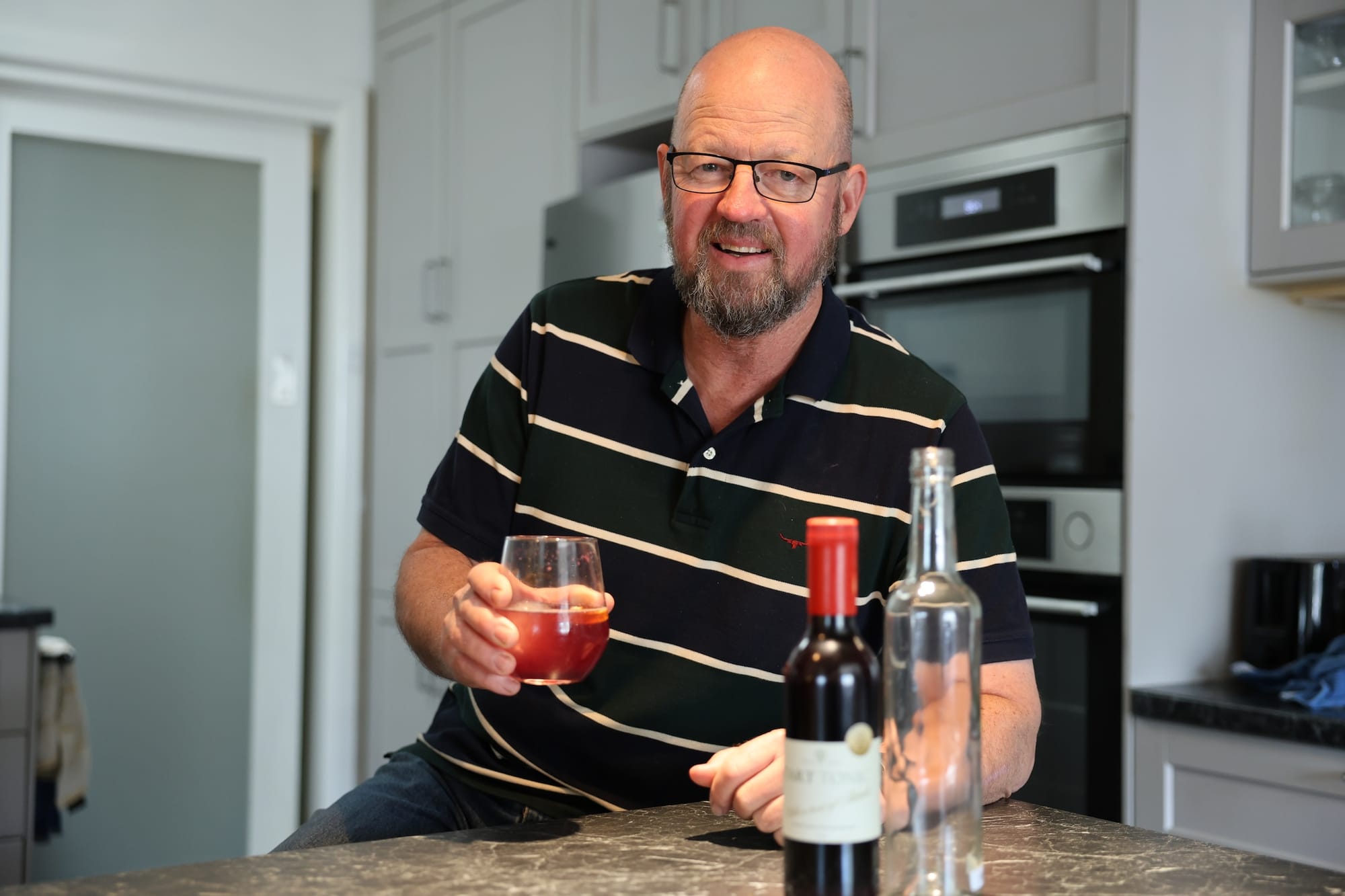
The first thing you notice is the nose.
Anthony Kumnick pours the liquid over ice, tops it with soda and drops in a wheel of dehydrated orange. The colour is a soft ruby that reminds me of a late-afternoon Grampians sky. Before I taste it, there is a burst of dark berries, citrus oil and something faintly savoury. My brain prepares for alcohol.
Then I sip it.
“It’s actually one thing on the nose, but then when you taste it, that’s two very different sensations,” I say aloud, half analysing, half surprised.
He nods.
That moment of surprise — aroma suggesting indulgence, palate delivering brightness and structure — is exactly what Tart Tonic trades on. It drinks like something serious. It behaves like a cocktail. It contains no alcohol at all.
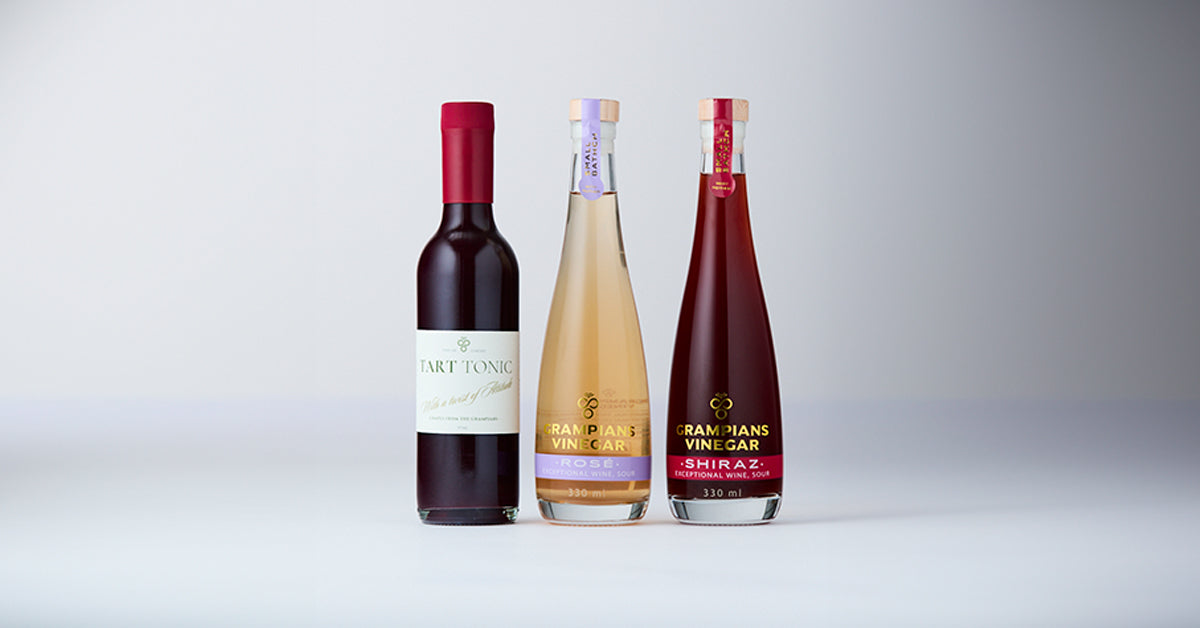
Officially, Tart Tonic is a non-alcoholic shrub made from rescued Grampians Shiraz grapes, naturally fermented and blended with Shiraz vinegar. It is low in sugar, alcohol-free and designed to be enjoyed with soda, paired with spirits or splashed into food.
In the glass, it feels like something else entirely: confident. The vinegar is what gives it backbone.
“Alcohol’s got that heat to it, which the vinegar is bringing through,” Kumnick explains.
He is right. There is lift, brightness and a subtle edge. Not harshness, but structure. Served one part Tart Tonic to five parts soda water, as he recommends, it is crisp and composed. It needs to be cold. Over ice, it feels intentional.
The grapes at the centre of it were not meant to become a drink like this.
They came from Armstrong, from ATR Wines, now under the custodianship of Phil Thorpe. In a market where surplus fruit can become a liability, Kumnick was helping cull grapes when Thorpe asked a simple question: could he do anything with them?
Across the Grampians and western Victoria, producers have been grappling with a glut of fruit and soft demand. Kumnick has spoken before about the thousands of tonnes of grapes that can be left without a home in tough seasons.
Where others see waste, he sees fermentation.
When I last wrote about him, he was navigating the closure of Great Western Granary’s weekly bake while watching consumer spending tighten. At the same time, he was building Grampians Vinegar — turning local wine into rosé and shiraz vinegars in response to the same downturn.
Tart Tonic feels like the point where those threads converge: surplus fruit, fermentation know-how and a cultural shift toward sophisticated non-alcoholic options.
“I think the way that consumers are going with non-alcoholic beverages, people are looking for something with a bit of sophistication,” he says.
“I think the way that consumers are going with non-alcoholic beverages, people are looking for something with a bit of sophistication,” he says.
There is a growing appetite for drinks that feel adult without being alcoholic — something you can hold at a barbecue, pour at a dinner party or order at a restaurant without feeling as though you have stepped down a rung.
Tart Tonic is not pretending to be wine. It is not mimicking gin. It occupies its own space: bright, tangy, lightly sweet and anchored in place.
That sense of place matters. This is Grampians Shiraz, just expressed differently. It carries provenance.
National judges have taken notice. Tart Tonic claimed gold in the Syrup/Cordial category at this year’s Melbourne Royal Australian Food Awards, placing the Grampians-made drink among the country’s best in its class.
National judges have taken notice. Tart Tonic claimed gold in the Syrup/Cordial category at this year’s Melbourne Royal Australian Food Awards, placing the Grampians-made drink among the country’s best in its class.The challenge now is scale.
Early batches sold out. The next production run, however, comes with a significant upfront cost.
“It’s going to cost us probably in excess of 35 grand,” Kumnick says, “Money we don’t really have laying around at the moment.”
Bottles alone become expensive when production volumes are small.
Rather than seek outside capital, he has turned to crowdfunding, inviting customers to pre-order and effectively underwrite the next batch. It is a practical solution to a practical constraint, and one rooted in the same philosophy that created the drink in the first place: reduce waste, build value, keep it regional.
As our glasses empty, one thing becomes clear. This does not feel like a compromise. It does not feel like the drink you choose because you cannot have something else. It feels deliberate.
“It’s the bold, sophisticated, refreshing drink that you can have any time,” Kumnick says.
If Tart Tonic becomes Grampians Vinegar’s marquee product, it will not be because it chased a trend. It will be because it captured a moment: a wine region confronting surplus, a culture rethinking alcohol, and a producer willing to ferment both into opportunity.
Readers can pre-order the next batch via the Grampians Vinegar website, helping bring Tart Tonic’s next run to fruition.
And if the first sip is any indication, it will not linger long.

Author
Sign up for The Stawell Times News newsletters.
Stay up to date with curated collection of our top stories.